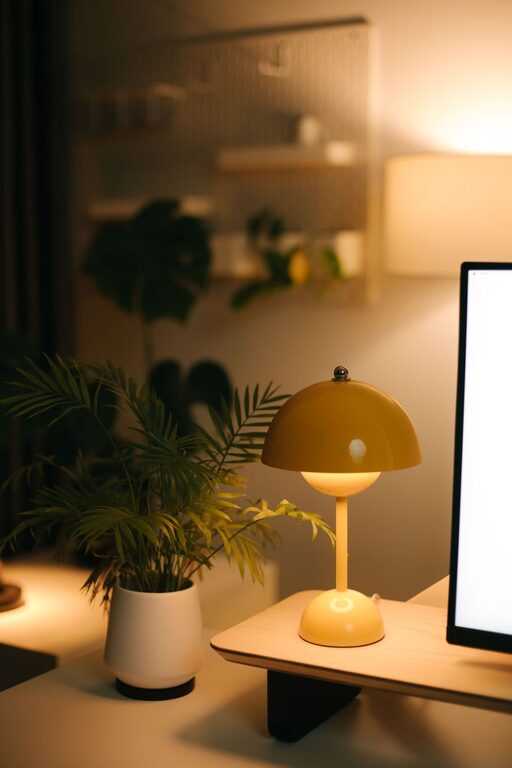
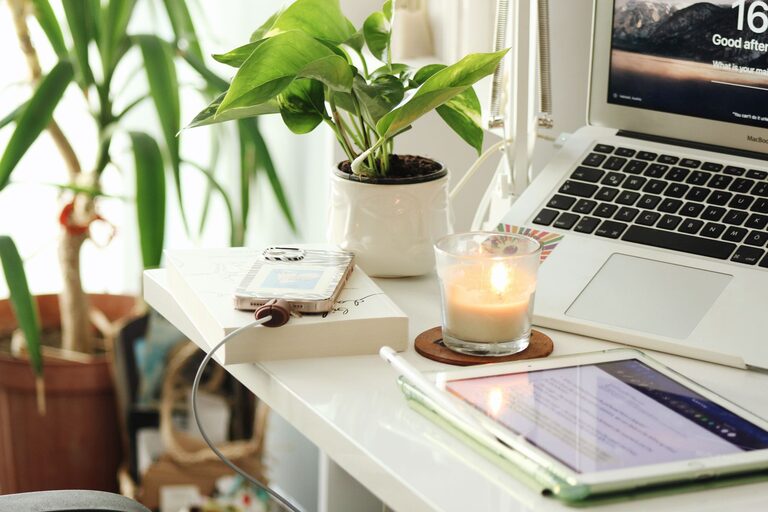
Creating a relaxing home workspace is essential for anyone who works from home or spends long hours at a desk. A well-designed workspace not only helps improve productivity but also supports mental and physical well-being. In this post, we’ll explore practical tips to help you transform your home office into a calm, comfortable, and efficient environment.
Why a Relaxing Workspace Matters
When your workspace is cluttered, noisy, or uncomfortable, it can be difficult to concentrate and stay motivated. A relaxing workspace encourages focus and creativity while reducing stress and fatigue. By thoughtfully organising your space and adding calming elements, you can create an atmosphere that supports both productivity and personal well-being.
Choose the Right Location
The first step is selecting a suitable spot for your workspace.
– Natural Light: Choose a space with plenty of natural light. Exposure to daylight helps regulate your body clock, improves mood, and reduces eye strain.
– Quiet Area: Ideally, find a quiet corner away from high-traffic areas and noise distractions.
– Separate Workspace: Try to designate a specific area solely for work. This separation helps mentally switch between work and relaxation time.
Invest in Ergonomic Furniture
Comfort plays a vital role in maintaining productivity and avoiding aches or injuries.
– Ergonomic Chair: Select a chair with good lumbar support and adjustable features to suit your body.
– Appropriate Desk Height: Ensure your desk allows for a natural position of your arms and wrists.
– Monitor Placement: Position your computer screen at eye level to prevent neck strain.
Declutter and Organise
A tidy desk creates a calm mind.
– Minimalist Setup: Keep only the essentials on your desk to reduce distractions.
– Storage Solutions: Use drawers, shelves, and organisers to store supplies neatly.
– Cable Management: Use clips or sleeves to keep cords out of sight.
Use Calming Colours and Decor
Colours affect mood and focus.
– Soft Tones: Choose gentle, neutral colours such as soft greys, greens, or blues to create a soothing environment.
– Plants: Incorporate indoor plants to improve air quality and add a touch of nature.
– Personal Touches: Add artwork or photos that inspire you without cluttering the space.
Control Lighting
Proper lighting reduces eye strain and enhances comfort.
– Layered Lighting: Combine natural light with adjustable desk lamps and ambient lighting.
– Warm Light: Use bulbs that emit warm, soft light to avoid harsh glare.
– Adjustable Options: Choose lighting you can dim or brighten based on the time of day.
Manage Noise and Distractions
A peaceful environment improves concentration.
– Noise-Cancelling Headphones: These can be useful if ambient noise can’t be avoided.
– Soundscapes: Consider gentle background music or white noise apps to mask distracting sounds.
– Set Boundaries: If you share your home, communicate your work hours to minimise interruptions.
Create a Routine and Break Area
Supporting well-being is about more than the physical space.
– Daily Routine: Establish consistent start and finish times to separate work and personal life.
– Break Space: If possible, have a comfortable spot nearby to step away from your desk and relax during breaks.
– Stretch and Move: Incorporate short exercises or stretches to reduce physical tension.
Utilise Technology Wisely
Technology can either aid or hinder your workflow.
– Task Management Tools: Use software or apps to organise your tasks and deadlines.
– Reduce Screen Time: Take regular breaks to rest your eyes and prevent fatigue.
– Maintain Digital Organisation: Keep files and emails sorted to avoid stress.
Keep Air Fresh and Temperature Comfortable
Environmental comfort supports focus and well-being.
– Ventilation: Open windows or use air purifiers to keep air quality high.
– Temperature Control: Maintain a moderate temperature that isn’t too hot or cold.
Conclusion
Creating a relaxing home workspace involves combining comfort, organisation, and personal touches. By selecting the right location, investing in ergonomic furniture, managing lighting and noise, and maintaining a tidy environment, you can significantly enhance your productivity and well-being. Remember to balance work with regular breaks and keep your space flexible to adapt to your changing needs.
With these tips in mind, transforming your home workspace into a relaxing and productive haven is well within reach. Take small steps today to create a space you enjoy spending time in.