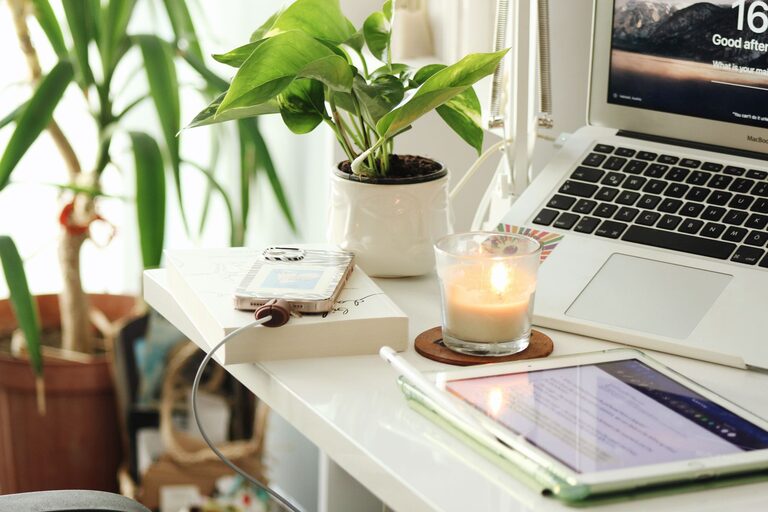
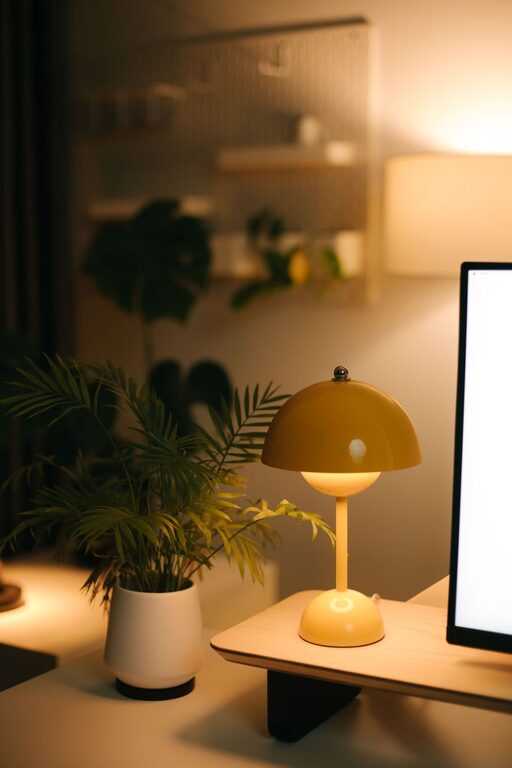
Creating a cosy and inviting home workspace is essential for staying productive and motivated, especially when working from home has become increasingly common. A well-designed workspace not only promotes focus but also fosters a sense of comfort, making long hours feel less draining. Whether you have a dedicated room or a small corner, these practical tips will help you craft a space that you enjoy spending time in.
Choose the Right Location
The first step in creating a cosy workspace is selecting the right spot in your home. Ideally, pick a space with plenty of natural light—this can help reduce eye strain and boost your mood. If you don’t have access to much natural light, invest in a good quality desk lamp with adjustable brightness.
Think about noise levels as well. A quieter area will allow you to concentrate better. If you live in a busy household, consider noise-cancelling headphones or soft furnishings that absorb sound to minimise distractions.
Prioritise Comfort
Comfort plays a big role in making your workspace inviting and sustainable for long periods. Invest in an ergonomic chair that supports good posture and encourages comfort. If your budget doesn’t allow this right away, a supportive cushion can help.
Pay attention to the desk height and monitor positioning—both should be arranged to reduce strain on your neck and wrists. Taking short breaks for stretches and movement throughout your day will also improve your overall well-being.
Use Calming Colours and Personal Touches
Colours influence how we feel. Soft, neutral shades such as cream, light grey, or pastel colours are great for promoting calmness and focus. If you prefer brighter colours, choose gentle accents through décor or accessories to energise the space without overwhelming it.
Add personal touches that make the workspace feel uniquely yours. This could be framed photos, plants, a favourite mug, or motivational quotes. Personal items increase your connection to the space and can uplift your mood during busy days.
Keep Organised and Clutter-Free
A tidy workspace encourages productivity and reduces stress. Use organisers such as trays, drawer dividers, and shelves to keep papers, stationery, and gadgets in order. Label containers and reserve specific places for frequently used items so they’re always easy to find.
Cable management is another crucial aspect. Use clips or ties to keep cables neat and prevent tangling. A clutter-free desk surface helps keep your mind clear and focused.
Incorporate Nature and Greenery
Introducing plants to your workspace has many benefits. They add a touch of natural beauty, improve air quality, and can increase your overall sense of well-being. Choose low-maintenance plants like succulents, snake plants, or peace lilies if you’re new to gardening.
Place plants near your desk or on windowsills to brighten your surroundings. Even dried flowers or botanical artwork can bring nature indoors if real plants aren’t practical.
Focus on Lighting
Good lighting is key to making your workspace cosy and functional. Aim to combine natural daylight with layered artificial lighting. A desk lamp with adjustable settings allows you to control brightness depending on the task at hand.
Avoid harsh overhead lights that cause glare or shadows. Instead, use softer bulbs or lampshades to create a warm atmosphere. If possible, position your desk so natural light comes from the side rather than directly behind your screen to prevent reflections.
Choose Practical and Attractive Furniture
Your workspace furniture should balance practicality with style. A sturdy desk with enough surface area is important for organising your work essentials comfortably. If space is limited, consider foldable or wall-mounted desks.
Storage solutions like drawers, cabinets or shelves keep clutter at bay while also complementing your décor. Select furniture that suits the scale of your room—oversized pieces in small areas can create a cramped feel.
Add Comfort with Soft Textiles
Soft textiles help personalise and soften your workspace. A cosy rug underfoot can warm up a hard floor, while cushions or throws add comfort to a chair or window seat.
Choose fabrics that feel pleasant to touch — cotton, linen and wool are popular choices. These elements make your space feel welcoming and less clinical.
Manage Technology Wisely
Technology is a vital part of any home office, but it can sometimes feel overwhelming. Organise your tech gadgets so they’re accessible without cluttering your desk. Use charging stations to keep devices powered neatly.
Keep your computer and accessories clean and dust-free, and consider adding accessories like a wireless keyboard or mouse for a more comfortable setup. A good pair of headphones can help you focus if you share your home with others.
Establish Boundaries
Finally, creating a cosy and inviting workspace also means setting boundaries to keep work and home life separate. Clearly define your workspace as a dedicated area to signal “work mode” to yourself and others.
When your workday ends, tidy your desk and “switch off” the space. This mental boundary helps maintain a healthy work-life balance and prevents burnout.
—
Creating a home workspace that feels cosy and inviting doesn’t require a big budget or a large room. By focusing on comfort, organisation, lighting, and personal touches, you can design a space that supports your work and makes you feel good throughout the day. Try these tips and watch your productivity and well-being improve hand in hand.