
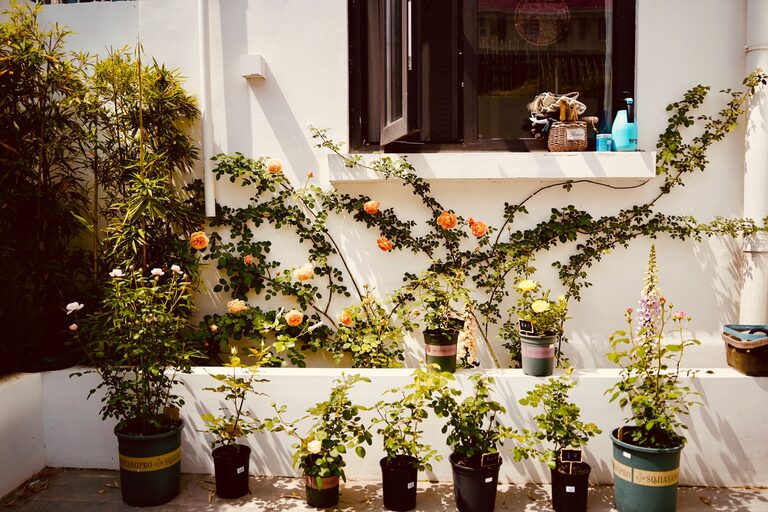
Creating a home garden that is both beautiful and functional all year round is a rewarding project. Whether you have a small patio or a large backyard, thoughtful planning and care can transform your space into a cheerful retreat that adapts to the changing seasons. This guide provides practical tips to help you design and maintain a garden that thrives throughout the year.
Planning Your Garden for Year-Round Appeal
Assess Your Space and Lighting
Start by evaluating your garden area. Note the amount of sunlight, shade patterns, soil type, and drainage. Most plants require at least six hours of sunlight per day, but some thrive in shade, so knowing these details helps you choose suitable plants.
Define Your Garden's Purpose
Decide how you’d like to use your garden. Do you want a place for relaxation, growing food, entertaining guests, or a combination? Defining your purpose guides your design choices and plant selection.
Sketch Your Layout
Draw a simple plan including paths, planting beds, seating areas, and any features like ponds or sculptures. Consider how the space flows and how you’ll move through the garden. Make sure there is enough room for plants to grow without overcrowding.
Selecting Plants for Four-Season Interest
Choose a Mix of Evergreens and Deciduous Plants
Evergreens provide structure and colour in winter, while deciduous trees and shrubs add seasonal changes with flowers, fruit, or autumnal foliage. Combining both types keeps your garden attractive year-round.
Incorporate Various Plant Heights and Textures
Layering plants of different heights—from ground cover to shrubs and small trees—creates depth and interest. Mix textures, such as fine-leaved grasses and broadleaf shrubs, for a dynamic visual effect.
Plan for Seasonal Blooms
Select plants that flower in different seasons to maintain continuous colour. Early spring bulbs like daffodils, summer perennials like lavender, autumn blooms like asters, and winter flowering heathers can provide a succession of highlights.
Include Edible Plants and Herbs
Vegetables, fruit bushes, and herbs not only look good but offer fresh produce. Some, like kale or rosemary, also add greenery through colder months. Position edible plants in a sunny spot that’s easy to access.
Practical Garden Design Tips
Use Mulch to Improve Soil and Retain Moisture
Applying mulch around plants suppresses weeds, conserves moisture, and enriches the soil as it breaks down. Organic mulches like bark chips or compost are ideal.
Install Irrigation or Plan Regular Watering
Consistent watering keeps plants healthy. If possible, set up a drip irrigation system with a timer. Alternatively, create a watering routine, especially during dry spells.
Create Paths for Easy Access
Paths allow you to navigate the garden without stepping on plants or compacting soil. Materials like gravel, paving stones, or bark chips cozy up the garden and make maintenance easier.
Incorporate Seating and Sheltered Spaces
Add benches, swings, or a small gazebo to encourage time spent outdoors. Sheltered areas protect from wind and rain, extending your use of the garden throughout the year.
Caring for Your Garden Through the Seasons
Spring
– Prepare soil by adding compost.
– Prune dead or damaged branches.
– Plant new bulbs, shrubs, and seeds.
– Check for pests and diseases early on.
Summer
– Water early morning or late evening to reduce evaporation.
– Deadhead flowers to promote more blooms.
– Harvest edible plants regularly.
– Monitor for pests and treat organically if possible.
Autumn
– Clean up fallen leaves to prevent disease.
– Plant shrubs and trees while soil is warm.
– Divide perennials that have grown large.
– Mulch beds to protect roots from cold.
Winter
– Protect tender plants with fleece or covers.
– Prune deciduous trees while dormant.
– Plan changes or additions for next year.
– Feed birds to encourage wildlife benefits.
Eco-Friendly Gardening Practices
Adopting eco-friendly habits benefits your garden and the environment:
– Compost garden and kitchen waste to reduce rubbish.
– Use rainwater harvesting to conserve water.
– Plant native species to support local wildlife.
– Avoid chemical pesticides and favour natural pest control.
Final Thoughts
Creating a beautiful and functional home garden throughout the year is an achievable goal with careful planning and seasonal attention. By choosing the right plants, designing with purpose, and caring for your garden according to its needs throughout the seasons, you’ll enjoy a flourishing outdoor space that provides pleasure and utility all year long. With patience and dedication, your garden can become a sanctuary for both you and local wildlife.
Happy gardening!