
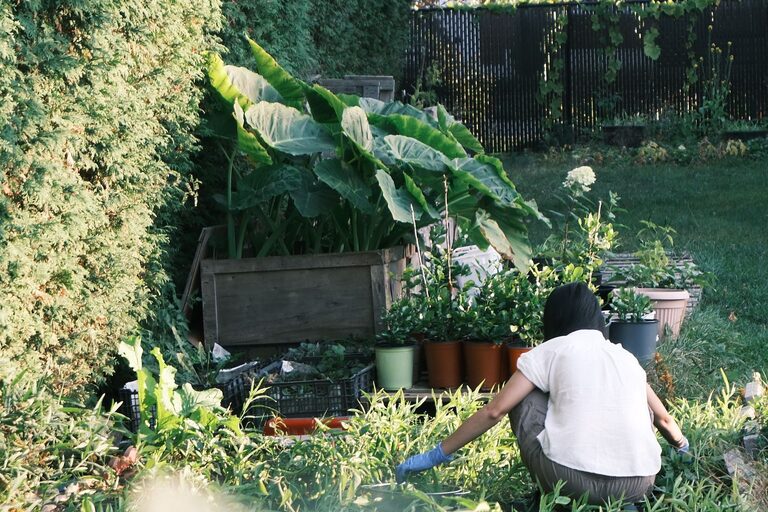
Creating a sustainable garden in your backyard is a rewarding way to contribute to the environment while enjoying a beautiful, productive space. Sustainable gardening focuses on using natural resources wisely, promoting biodiversity, and reducing waste. Whether you have a small city garden or a larger outdoor area, these tips will help you design and maintain a garden that’s both eco-friendly and enjoyable.
Why Choose a Sustainable Garden?
Sustainable gardening helps conserve water, reduce pollution, and provide a habitat for native plants and wildlife. It also saves you money by lowering the need for chemical fertilizers, pesticides, and frequent watering. Plus, sustainable gardens are often healthier and easier to maintain over time.
Planning Your Sustainable Garden
Before planting, spend some time planning your space to make the most of its natural features.
Assess Your Garden Environment
– Sunlight: Observe which areas get full sun, partial shade, or full shade.
– Soil Type: Test your soil to understand whether it’s sandy, clay, or loamy.
– Water Drainage: Note low spots where water collects or areas that dry out quickly.
– Local Climate: Choose plants suited to your region’s temperature and rainfall patterns.
Choose Native and Drought-Tolerant Plants
Native plants are adapted to your area’s conditions, meaning they require less water, fertiliser, and care. Drought-tolerant plants are especially useful if you want to reduce water use.
Plan for Biodiversity
Include a variety of plants such as flowers, shrubs, trees, and herbs to attract pollinators like bees and butterflies. Consider planting food plants to support local wildlife.
Soil and Composting
Healthy soil is the foundation of a sustainable garden.
Improve Soil Health Naturally
– Add organic matter such as compost or well-rotted manure to enhance soil fertility.
– Avoid chemical fertilisers and pesticides which can harm beneficial organisms.
– Practice crop rotation or change planting spots yearly to avoid soil depletion.
Start Composting at Home
Composting kitchen scraps and garden waste reduces landfill waste and provides rich, natural fertiliser. Use a compost bin or heap in a sheltered spot and turn regularly.
Water Conservation
Water efficiency is key to making your garden sustainable.
Collect Rainwater
Install rain barrels to capture rainwater from your roof. This water can then be used to irrigate plants during dry spells.
Water Wisely
– Water plants early in the morning or late evening to reduce evaporation.
– Use drip irrigation or soaker hoses for targeted watering.
– Mulch around plants to retain moisture and suppress weeds.
Mulching
Mulch protects soil, conserves moisture, and limits weeds.
– Use organic mulches such as bark chips, straw, or leaf mould.
– Apply a layer around plants, but avoid piling it against stems to prevent rot.
Encouraging Wildlife
Creating habitats for wildlife supports garden health by encouraging natural pest control and pollination.
– Add bird feeders, bird baths, or nest boxes.
– Grow nectar-rich flowers to attract pollinators.
– Leave some areas undisturbed or with leaf litter to provide shelter for beneficial insects.
Environmentally Friendly Garden Maintenance
Maintain your garden without damaging the environment.
– Avoid chemical pesticides; instead, use natural pest control such as encouraging ladybirds or handpicking pests.
– Use electric or manual tools instead of petrol-powered equipment to reduce pollution.
– Reuse and recycle materials wherever possible, for example, repurposing pots or garden structures.
Benefits for You and Your Community
A sustainable garden not only benefits the environment but also provides fresh air, reduces stress, encourages outdoor activity, and can strengthen community ties if shared with neighbours.
Final Thoughts
Starting a sustainable garden is a journey that involves observation, patience, and ongoing care. By choosing native plants, improving soil health, conserving water, and supporting local wildlife, you create a backyard oasis that thrives naturally and contributes positively to the environment.
Happy gardening!